JONAH LAGRANGE/THE CREIGHTONIAN
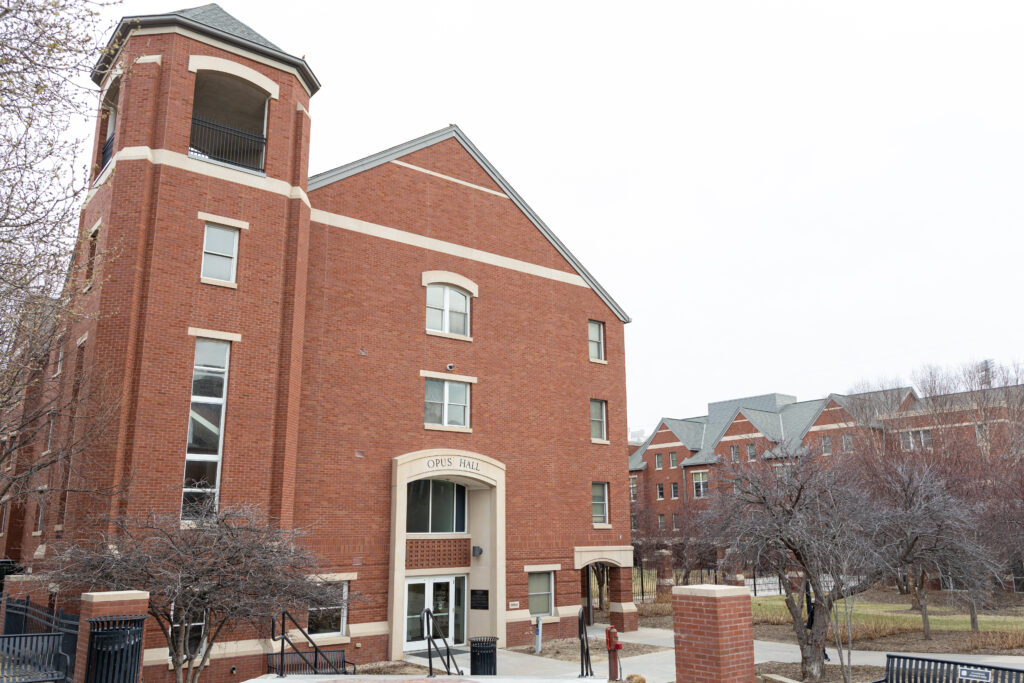
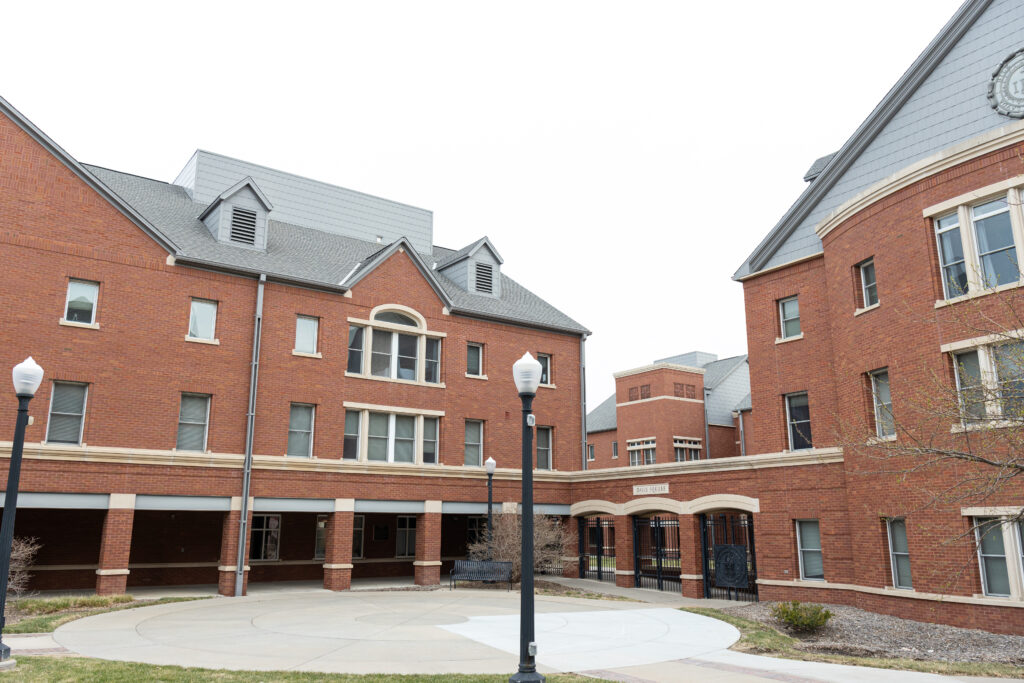
Davis Hall and Opus Hall are among the dorms Freshman and Sophomores vie for each year. Many students consider the current lottery system of allocating dorms to be stressful and the housing portal to be unreliable. A market-based solution might provide a streamlined process.
I watch the clock. It reads 11:53 a.m. It’s almost time. My eyes darting and palms sweaty, I navigate to the housing portal as it’s time to seal my fate; it’s time to choose housing for next year.
This scene is all too familiar for Creighton students. The countdown, the frantic clicking, the fear that the dorm you want will vanish in seconds. But what if it didn’t have to be this way? What if the system were designed to reduce stress, promote fairness and actually reflect what students value in their housing experience?
If Creighton implemented an auction-style system for selecting housing, more people would be likely to get their first choices, and the school would be making sure that the individuals who get the pricier dorms are actually willing to pay that price. It’s a win-win situation.
“How would this work?” you may ask. Well, it’s simple: students of each grade would have a specific day where one representative, the “group leader” of the housing group — just like the current system — would congregate to “bid” on specific buildings and rooms. This way, Creighton can be assured that at least one representative will be able to make it to the grade’s auction time. This short session, designed to take place at a time most convenient for the greatest number of people, would simulate a real auction. Here, instead of racing against the glitchy NEST website, groups would bid on buildings or specific room types based on how much they value them.
Higher‑demand dorms will naturally go to those who prioritize them most, while other buildings can be designated for those who don’t need the most expensive option or just want a way to opt out of the stressful stampede of housing selection. With the recent Fly Together campus renovation campaign, this more transparent system would also allow Creighton to have relevant data surrounding which housing units hold more longevity and which can be updated or torn down, as talks of Deglman Hall’s final days circulate.
Instead of a chaotic race against the clock, housing selection becomes a more thoughtful and organized process that respects both student choice and university resources, bringing an end to the annual culture of stress surrounding housing selection.