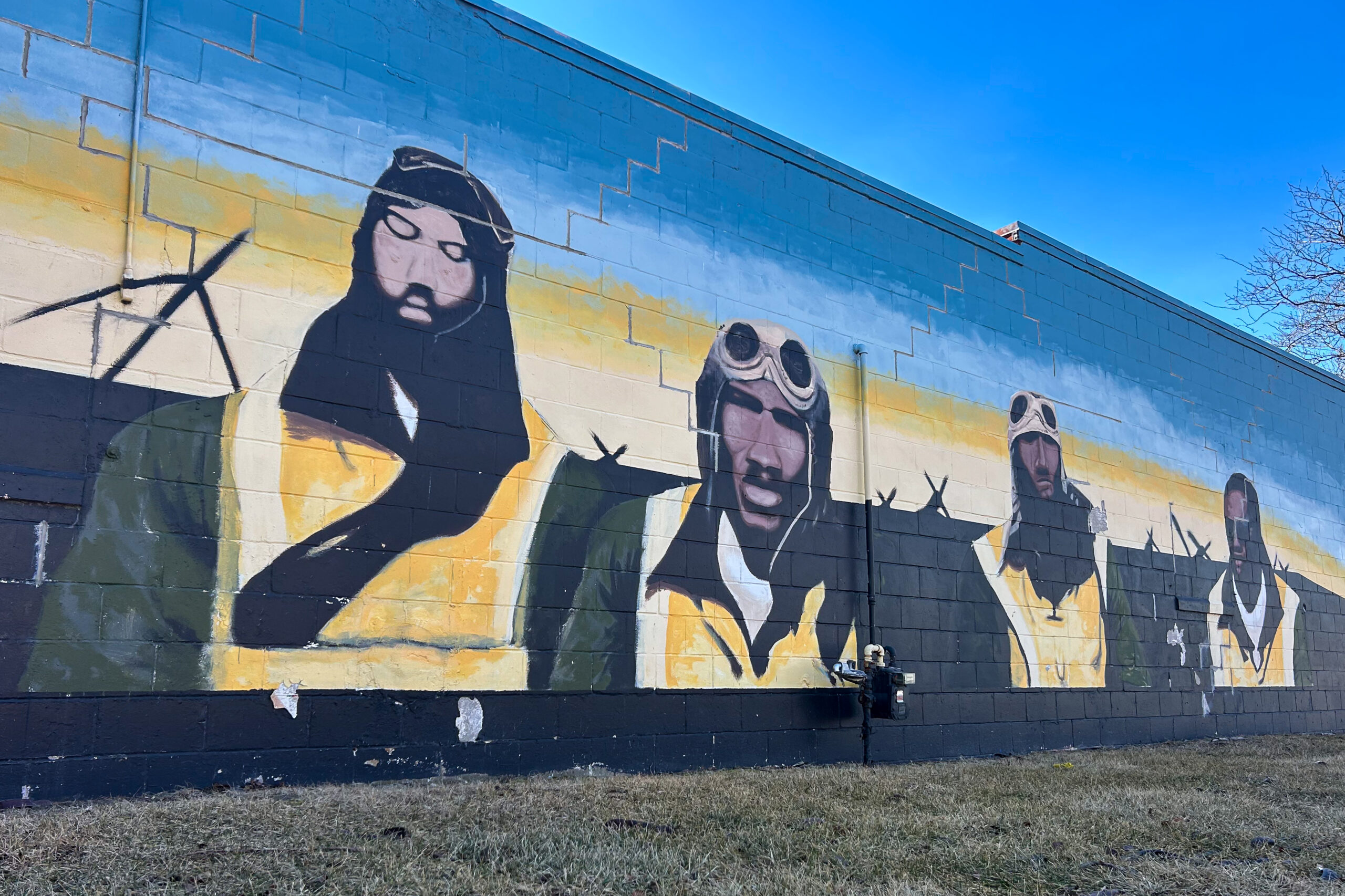
Artist Aaryon Bird Wiliams “Black Skies” mural pays tribute to the 21 Tuskegee Airmen in World War II that have ties to Omaha. The mural can be seen in North Omaha, near 24th and Lake Street.
Although February is the shortest month of the year, it features several notable holidays including Groundhog, Presidents’ and Valentine’s days, all of which spark varying traditions. From speculating about the arrival of spring, to the disappearance of nearly every red rose and teddy bear, these celebrations provide some comfort as anticipations for summer build. More significantly however, since 1976 when it was first recognized by President Gerald Ford, February has been known as Black History Month, granting proper recognition to various African American figures for their contributions and lasting legacies to American civilization.
Before such matters were acknowledged on a national level, affairs began more than fifty years earlier, in 1915, when Harvard historian Carter G. Woodson founded the Association for the Study of Negro Life and History, today known as the Association for the Study of African American Life and History. Such efforts were in response to being barred from attending conferences held by the American Historical Association, which was primarily composed of white members. In contrast, Woodson’s institution sought to offer professional and academic opportunities to other African Americans and preserve all aspects of Black history; actions that directly challenged the racist societal norms of the time period.
As his organization gained momentum, Woodson established the first “Negro History Week” in 1926 during the second week of February, to commemorate Black excellence and give voice to the struggles, victories and persistence of Black Americans through the centuries. This particular week was selected due to its alignment with the birthdays of Abraham Lincoln and Frederick Douglass, two prominent individuals involved with civil rights advocacy for African Americans.
Such actions for equality and homage were further expedited by the Civil Rights Movement, which began in the mid 1950s and spanned until the late 1960s, as people from across the country protested the racial segregation and discrimination towards African Americans and other Black minorities. These robust attitudes and nonviolent motions confronted political, economic and cultural oppression, contributing to the overall era of reformation.
Shortly after, came President Ford’s “Message on the Observance of Black History Week,” which urged all citizens of the U.S. to reflect on the ways in which the identity and culture of the nation had been influenced by the collective work of black Americans and those of African descent. Since then, presidents have continued honoring Black History Month and paying respect to the achievements made in professional and communal realms by issuing annual proclamations, establishing a lasting precedent.
Today, communities and families across the country celebrate this month through a blend of cultural and educational opportunities that highlight the labor and accomplishments of African Americans through all periods of U.S. history. Common activities include attending museum exhibits and other interactive experiences to foster a deeper understanding and appreciation for Black history, as well as consuming content and goods produced by Black creators.
As Omaha is home to many vibrant ethnic and racial groups, specifically with a strong African American presence in North Omaha, there are ample ways in which one can participate in the festivities, enjoy some quality food and develop a greater social awareness. One local option is Mixins Rolled Ice Cream, located downtown on Jackson Street. Their menu offers a wide variety of flavors, from the staff favorite of “Cookie Monster” to crazy combinations such as “Pardon My French Toast” and “Campfire,” their tasty treats are sure to hit the spot.
Though the reviews online were somewhat outdated, my expectations were high as I set out to investigate their creations: “Strawberry Cheesecake” and the classic “Milk and Cookies”. From this, I can happily report that their ice cream and service did not disappoint, as the variety of toppings complimented the sweetness of the cold dessert, and the staff were eager to provide assistance. Though each dish was around ten dollars, which is pricey, I would recommend Mixins to anyone seeking to support a local business and satisfy their cravings for a sweet treat.
Another regional attraction is the “Black Skies” mural, painted by Aaryon Bird Williams as a tribute to the 21 Tuskegee Airmen, a group of African American World War II pilots with Omaha ties. The artwork can be found in North Omaha within the 24th and Lake Streets area, along with several other pieces, such as “The Ancestor, The Identity, and The Seed” mural by Reggie LeFlore and the “Jazz Trio” sculptures created by Little Alston. Each of these projects exhibit the pride and spirited aspects of African history and culture, symbolizing one’s ongoing resilience in the face of oppression and hardship.
According to VisitOmaha.com, other acclaimed Black-owned restaurants in the vicinity are “Okra African Grill,” “A Taste of New Orleans” and “Big Mama’s Kitchen.” Across these spots, one can choose from traditional African dishes like jellof rice and ablo, to Cajun fried seafood or chicken and sweet potato pudding. Such options allow one to experience the culinary trademarks of different cultures, while also promoting the efforts of provincial Black business owners.

BEHLA SCHMIDT/THE CREIGHTONIAN
Local Black-owned rolled ice cream offers a wide variety of fun flavors, including “strawberry cheesecake” and “milk and cookies.”
The next time you’re in need of a restaurant to review or a recreational activity to fill your empty afternoon, consider visiting these educational and cultural spots to enrich your social awareness and support those in the community. Overall, Black History Month brings awareness to past injustices towards Black Americans and calls for the eradication of the discriminatory practices that have plagued our society for far too long.
Through intentional involvement and open-ended discussions, the appropriate respect is granted to those that have driven development of our country. With these things in mind, we can be sure to extend these empathetic attitudes beyond the month of February and into the rest of the year.