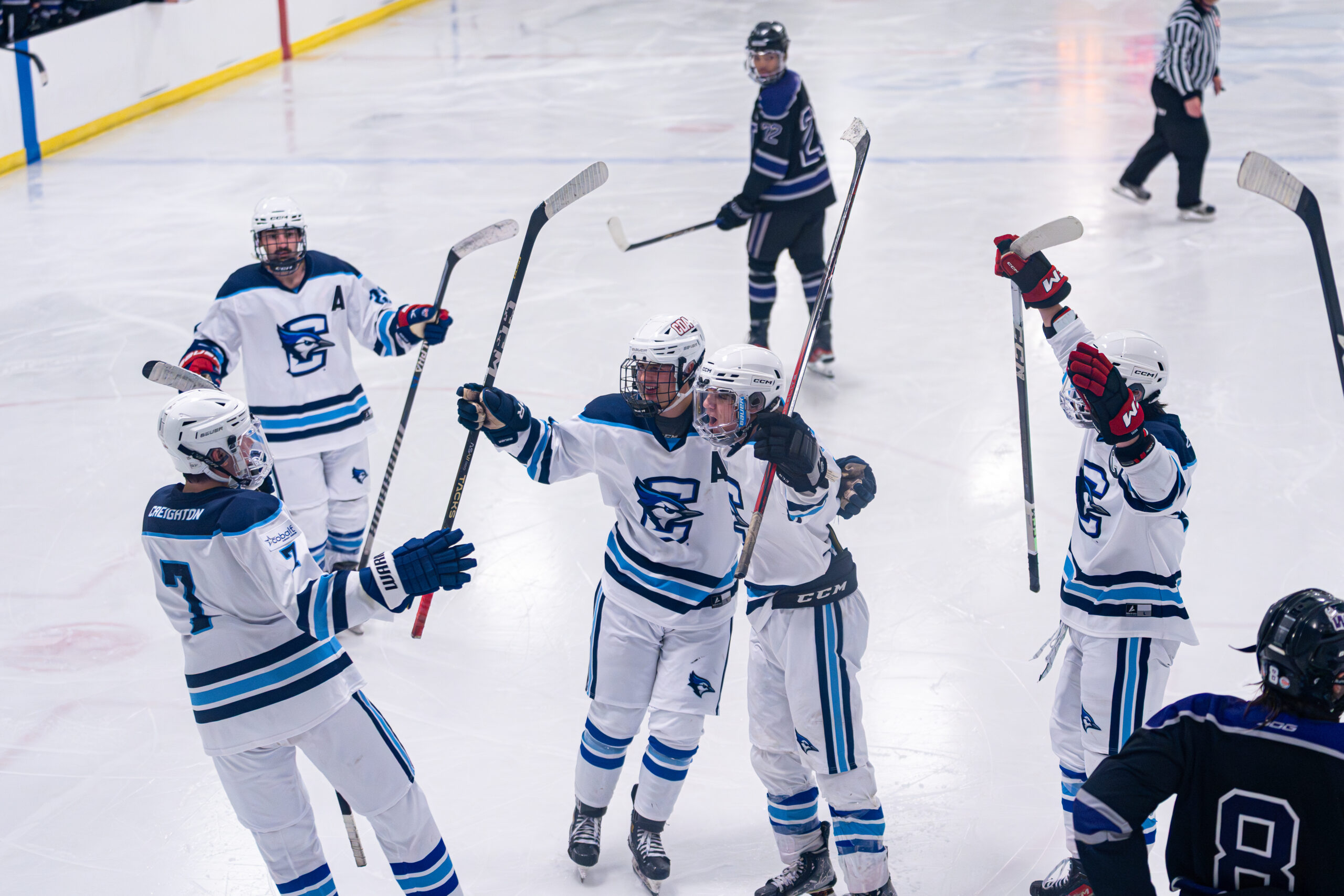
Creighton’s newest athletic initiative is already making its mark on campus in its second semester, drawing students to new levels of competition and campus involvement.
Launched in fall 2025, the Premier Club Sports program offers more structure, coaching and university support than traditional club teams. University leaders see the program as a response to student demand for continued athletic opportunities. Between 70% and 80% of incoming Creighton students were high school varsity athletes, and many are not ready to give up competition in college.
“Maybe they’re not that NCAA DI level athlete, or maybe they want to focus on their academics more,” premier sports director Clay Caswell said. “We still want them to have that opportunity with a little less commitment and a little more flexibility.”
The concept was developed with support from Vice Provost for Enrollment Mary Chase, and the program is modeled after systems at universities such as Grand Canyon University, which operates a large club sports structure used to attract students.
Creighton launched the program with men’s and women’s golf, men’s and women’s lacrosse and men’s hockey. The program’s leaders are currently working to build a larger women’s hockey team. Women’s volleyball and softball are slated to be added in fall 2026. Caswell said the university chose its first sports carefully, based on student interest in key recruiting regions.
“We look for sports that are popular in our target markets: Minnesota, Colorado and Illinois. That’s why we started with hockey and lacrosse,” Caswell said.
Premier teams receive more institutional support than traditional club sports. The university provides part-time coaches, scheduled practice facilities, uniforms and team apparel. Travel costs for away competitions — including buses, hotels and meals — are also covered. The program is funded mainly by the university, though athletes pay dues, and organizers hope to expand donor and fundraising support in the future.
Teams practice at several locations in the Omaha area. Hockey practices and plays at Baxter Arena at the University of Nebraska at Omaha campus and uses Grover Ice Arena as well. Men’s lacrosse practices at facilities run by NorthStar Foundation, while women’s lacrosse practices in Papillion. Golfers train at the Field Club of Omaha and Shoreline Course near Carter Lake, in addition to utilizing campus golf simulators. Volleyball will play in the Kiewit Fitness Center, and softball is expected to share the softball field part-time along with the new practice baseball field.
Scheduling remains a challenge because premier teams share facilities with intramural, club and NCAA programs. Construction of the new campus quad on former practice fields has also tightened available space.
Premier teams compete in established collegiate club leagues and tournaments. Golf participates in the National Collegiate Club Golf Association, which gives athletes opportunities to qualify for national competition. The team also plays in some NAIA and NCAA Division III events. Caswell said this mixed schedule offers golfers broader competitive opportunities.
“It mixes it up and gives them a little different experience,” Caswell said.
Men’s lacrosse competes in the Men’s Collegiate Lacrosse Association, and women’s lacrosse plays in the Women’s Collegiate Lacrosse Organization. They primarily face teams within those leagues while exploring scrimmages against smaller NCAA programs. Hockey competes in the American Collegiate Hockey Association, and most travel stays regional, with teams playing schools such as Iowa State, Kansas and Missouri.
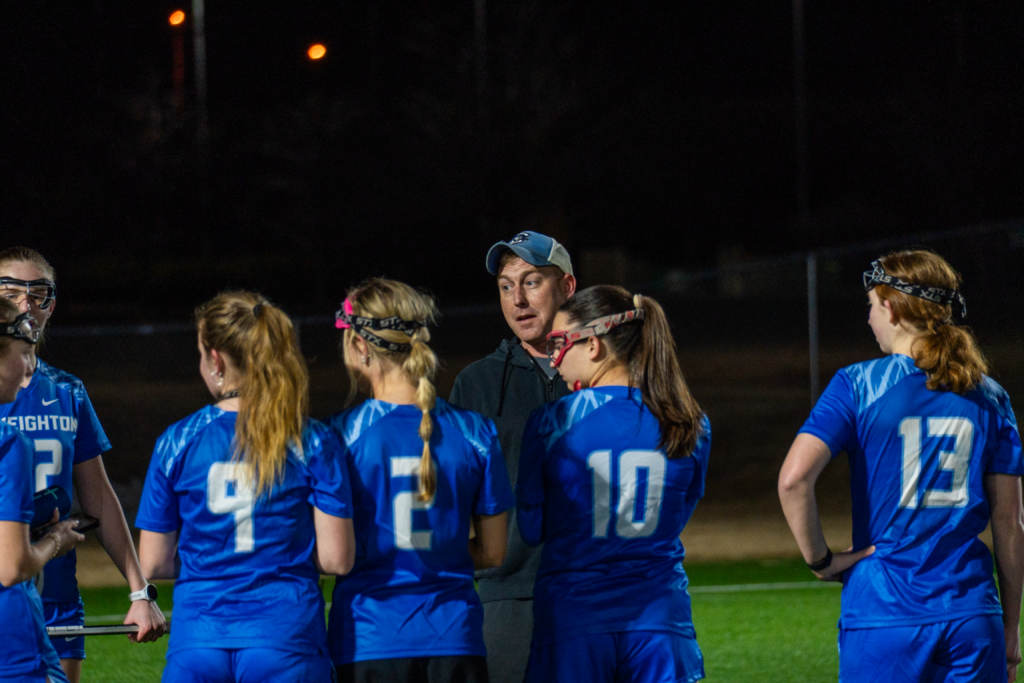
Recruiting takes place throughout the year and includes both prospective students and those already enrolled. Caswell said building strong teams also requires leadership from returning students.
“We want to make sure students know what sports we are offering,” Caswell said. “We need some upperclassmen for that leadership component.”
Athletes typically practice two to three times per week, depending on the sport, and they are expected to train on their own as well. Golfers often spend extra time in simulators. Hockey players only spend two hours on the ice each week, so they must prepare outside of the rink.
Premier Sports works with the university’s Therapy and Wellness Department to develop strength programs, as its athletes are expected to use the weight room about three times weekly. Including practices, workouts and travel to practice sites, Caswell said athletes spend about six hours per week on their sport. He emphasized that this schedule allows students to stay involved in other parts of campus life.
“Creighton students are heavily involved in a lot of things,” Caswell said. “If we have a lacrosse player, for example, that wants to be in a fraternity or sorority, they will be able to do that.”
The initiative is not intended to replace existing student-led club sports, and organizers have worked with those teams as the premier model expands. In volleyball, for example, the current club team will transition into the premier structure, with multiple teams and levels under that umbrella. Student leaders will help hire coaches and shape the program.
“We’re working with those student-led clubs, trying to make them feel they’re not being pushed out,” Caswell said.
Premier teams can also strengthen campus culture by giving students more reasons to gather and support one another. Home games and matches offer students a way to stay engaged in sports even if they are no longer competing themselves.
“Our goal is that we have 100 kids coming to watch our hockey team, or 200 kids coming to a lacrosse game,” Caswell said. “Maybe [someone] did hockey in high school, they’re not playing in college, but want to come watch some good hockey.”
As the program moves through its first academic year, organizers say building that kind of campus following, along with competitive schedules and recognition from other schools, has taken time. That includes finding teams willing to travel to Omaha while Creighton builds its reputation. Caswell said new programs often face early challenges when arranging competition.
“The first year, when trying to build a schedule, you’ve got to take what you can get,” Caswell said. “There have been some growing pains, but we’re adapting as we go.”
He added that building a program from the ground up usually takes about two years, as teams recruit additional classes and gain experience.
“We just try to be patient, understanding it’s going to take some time to develop the team[s] the way we want.”
Caswell’s background includes 18 years as a parks and recreation director, campus recreation leadership and time as an assistant coach for college wrestling. That experience shaped how he approached Premier Club Sports, combining program development with student engagement.
“I kind of have an entrepreneurial mindset, and this was an opportunity to build something from the ground up,” Caswell said. “I like the challenge of it.”
He said the most rewarding part of the work comes from watching students connect with sports and each other through the program.
“What I enjoy most about it is seeing kids enjoy themselves — to see them build those relationships and have that camaraderie,” Caswell said.
Looking ahead, the program will continue expanding, offering more students opportunities to compete and form community through sports.